


In today’s competitive talent landscape, companies are investing heavily in perks, culture, and engagement strategies. But one of the most powerful and often overlooked levers for retention and performance is how organizations manage employee leave. Compassionate, well-structured leave programs don’t just support employees during life’s most challenging moments. They drive measurable business outcomes.
Welcome to the era of empathy economics, where human-centered policies are not just morally sound; they are economically strategic.
Empathy Economics: A New Lens on Workforce Strategy
The book Empathy Economics by Owen Ullmann explores how Janet Yellen, formerly the U.S. secretary of the treasury and chair of the Federal Reserve, reframes traditional economic thinking to prioritize human impact. In the workplace, this means treating leave not as a cost center, but as an investment in long-term productivity, loyalty, and culture.1
Empathy Economics challenges the traditional notion that efficiency and empathy are mutually exclusive. It argues that sustainable economic and organizational success depends on understanding and addressing human needs. This approach reframes policies like employee leave not as expenses to minimize, but as strategic investments in long-term value creation.
At its core, the concept of empathy economics rests on several principles:
1. Human impact over abstract efficiency: Decisions should account for real-world consequences on people, not just theoretical models. In workforce strategy, this means recognizing that leave policies affect mental health, family stability, and overall well-being. These factors directly influence performance and retention.
- Leave management application: Design leave policies that support mental health, caregiving, and life transitions.
2. Data guided by compassion: Empathy economics integrates data with human insight. For human resources (HR) leaders, this means using analytics to identify gaps in leave access while ensuring policies reflect care and fairness, not just compliance.
- Leave management application: Track leave use to identify gaps and improve equity. Leave management isn’t just about the policy; it’s about the execution of the policy. Leverage technology solutions to reduce your administrative burden, lower compliance risk, and improve the employee experience.
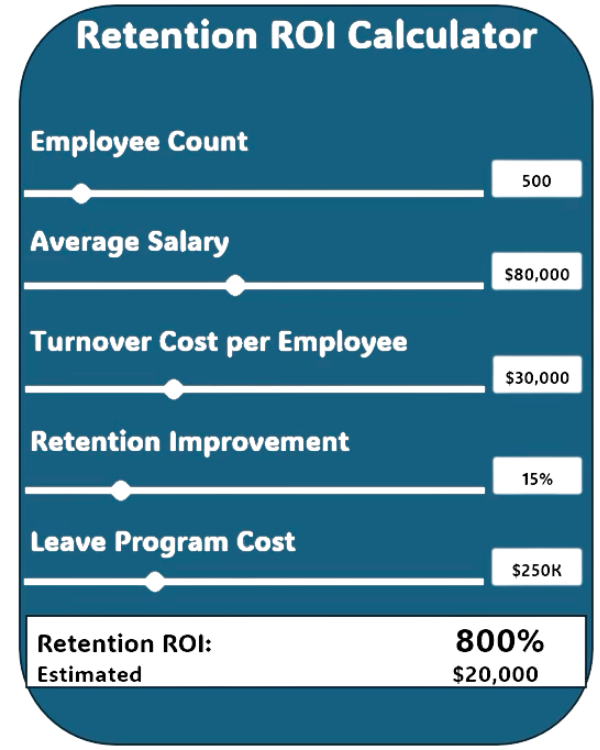
3. Investment in long-term prosperity: Short-term cost-cutting often undermines long-term growth. Providing robust leave programs may seem expensive upfront, but it reduces turnover, strengthens loyalty, and enhances productivity — all of which deliver a measurable return on investment (ROI) over time.2
- Leave management application: Treat leave as a retention and engagement strategy, not a cost center.
4. Transparency and accessibility: Policies should be clear, equitable, and easy to navigate. Complexity breeds distrust and disengagement, while transparency fosters psychological safety and cultural alignment.
- Leave management application: Make leave policies easy to understand by using plain, nontechnical language and spelling out the processes employees need to follow. Make sure you’ve covered the basics of who, what, where, when, why, and how in the information you’re providing.
Yellen’s approach, which is grounded in data and guided by compassion, offers a compelling framework for HR leaders. When employees feel supported during major life events, they return more engaged with more loyalty and increased productivity.2 Empathy isn’t just good ethics; it’s good economics.