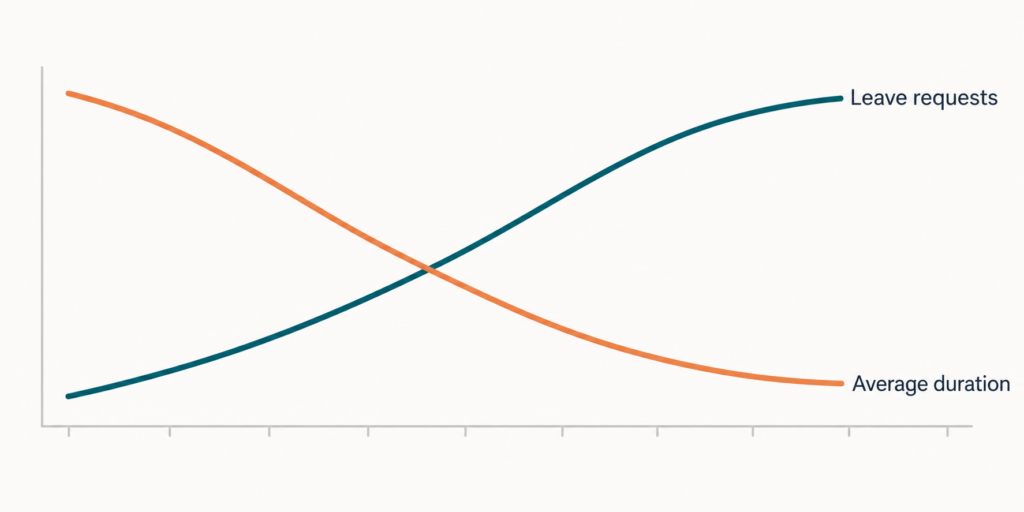
Employers are starting to see the impact of burnout in their leave and time-off programs. To manage absences, including requests for intermittent leaves, employers are encouraged to respond with flexibility and empathy through programs and policies, culture, and more.

Resources
@Work Magazine
Home / Resources / @Work Magazine / Managing Leave in the Era of Burnout and Quiet Quitting
Managing Leave in the Era of Burnout and Quiet Quitting
By Rebecca Fisco, CDMS, Associate Director, Integrated Absence Management and Vocational Services, The Ohio State University; Ed Quick, MA, MBA, CDMS, Global Senior Benefits Manager; MaryBeth Kurland, MPA, CAE, ICE-CCP, Chief Executive Officer, Commission for Case Manager Certification
Related Resources & Articles
DMEC News: September-October 2026
DMEC introduces a new master class on costly accommodation and leave mistakes, new microcredential courses on military leave and Iowa...
Work Is Medicine
Work is more than a paycheck. For people coping with illness or injury, it also provides structure, social connection, identity,...
The Empathetic RTW Leader: Balancing Accommodation and Accountability
I once worked with an employee who was so fearful of losing their job that they wanted to return to...
Are Return-to-Work Durations Changing Over Time?
Return-to-work (RTW) durations are a measure of how long employees need to recover from an illness, injury, or medical procedure...
The Smarter Return: Why Employers Are Rethinking Temporary Modified Light Duty
When an employee is injured on the job, the immediate focus naturally turns to medical care. But what happens in...

How to Support Neurodivergence: An Employer Perspective
There are many actions employers can take to support their neurodivergent employees. Gaining an understanding of both neurodiversity and neurodivergence...
Become
a Member
Connect with new colleagues, expand your knowledge, and experience more benefits of membership.
Not Sure If Your Organization Is A Member?
Add your company affiliation and verify your DMEC membership status.